
Dental implants in Dubai have become a popular option for people looking to replace missing teeth with a stable and natural-looking solution. A missing tooth can affect more than the appearance of your smile; it may also make chewing and speaking more difficult and can affect the position of surrounding teeth over time.
Dental implants are designed to replace the missing tooth root and provide a strong foundation for a crown, bridge, or denture. However, the right treatment depends on your oral health, jawbone condition, number of missing teeth, and individual needs.
This guide explains how dental implants work, who may be suitable for treatment, what the procedure involves, the factors that affect the cost, and what to expect during recovery.
What Are Dental Implants?
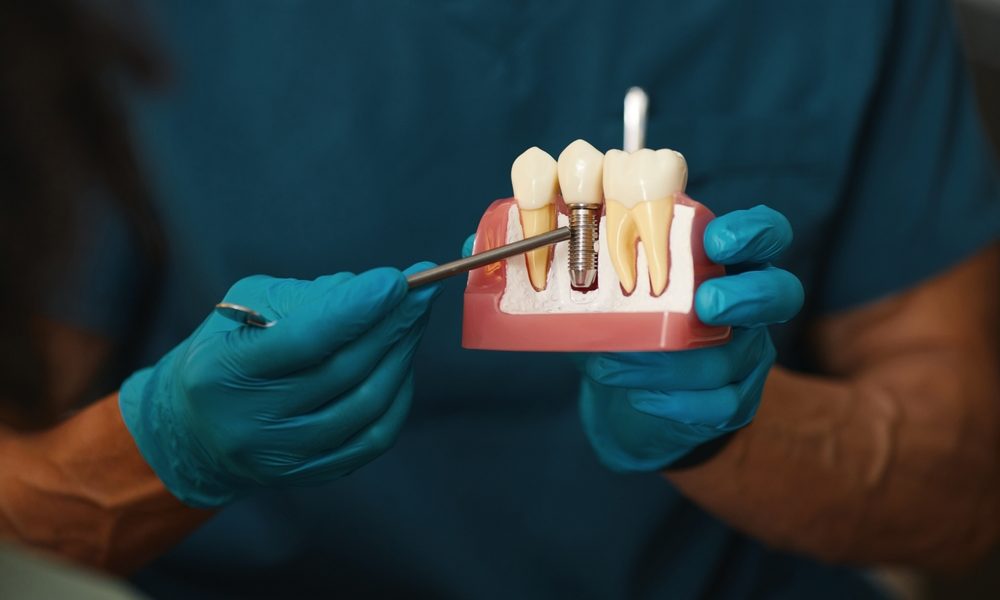
A dental implant is a small structure that is placed into the jawbone to replace the root of a missing tooth. It is usually made from a biocompatible material such as titanium and is designed to provide a strong foundation for a dental crown, bridge, or denture.
A complete implant restoration generally consists of three main parts:
- Implant: The part placed into the jawbone.
- Abutment: A connector attached to the implant.
- Dental crown: The visible replacement tooth placed on top.
The purpose of this structure is to create a replacement that looks and functions more like a natural tooth.
When considering dental implants in Dubai, the treatment is not simply about placing an implant. A dentist first needs to assess your oral health, the condition of your jawbone, the position of the missing tooth, and your overall suitability for the procedure.
Why Choose Dental Implants in Dubai?
One of the main reasons people consider dental implants in Dubai is their stability. Because the implant is positioned within the jawbone, it can provide a secure foundation for the replacement tooth.
Other potential advantages include:
- A More Natural-Looking Smile: A well-planned implant restoration can be designed to blend with the surrounding teeth in terms of shape, size, and color. This can make the replacement less noticeable when you smile or speak.
- Improved Chewing Function: Missing teeth can make certain foods difficult to chew comfortably. An implant-supported restoration can provide a stable replacement and help restore normal chewing function.
- Support for the Surrounding Teeth: A gap caused by a missing tooth can allow neighboring teeth to shift over time. Replacing the missing tooth can help maintain a more stable arrangement of the teeth.
- Long-Term Tooth Replacement: With appropriate care and regular dental visits, dental implants can provide a long-term solution for tooth replacement. Their longevity can depend on factors such as oral hygiene, general health, bite forces, and the condition of the supporting tissues.
Who Can Get Dental Implants?
Not everyone will have exactly the same requirements for implant treatment. During a consultation for dental implants in Dubai, the dentist will typically evaluate several factors before recommending treatment.
These may include:
- The number and location of missing teeth
- The condition of the jawbone
- Gum health
- Existing dental infections or untreated problems
- Oral hygiene
- Smoking and other lifestyle factors
- Overall health
- The patient’s ability to follow post-treatment instructions
A sufficient amount of healthy bone is particularly important because the implant needs a stable foundation. If there has been significant bone loss after tooth loss, additional procedures may sometimes be considered before implant placement.
Types of Dental Implant Treatment
The appropriate approach depends on the patient’s individual needs.
Single Dental Implant
A single implant can be used when one tooth is missing. It can support an individual crown without requiring the neighboring teeth to be prepared as they would be for some traditional bridge treatments.
Multiple Dental Implants
When several teeth are missing, multiple implants may be placed to support individual restorations or a larger implant-supported restoration.
Full-Mouth Dental Implants
Patients who have lost most or all of their teeth may be candidates for a full-mouth implant solution. Depending on the clinical situation, several implants can be used to support a fixed or removable restoration.
Implant-Supported Dentures
Dental implants can also be used to improve the stability of dentures. Instead of relying entirely on suction or adhesives, the denture can be supported by strategically placed implants.
The best option should always be determined after a professional assessment rather than simply choosing the treatment with the most implants.
What Happens During Dental Implant Treatment?
The exact process can vary depending on the case, but dental implants in Dubai generally involve several stages.
1. Initial Consultation
The process begins with an examination of the teeth, gums, and jaw. The dentist may use dental X-rays or 3D imaging to evaluate the bone and plan the implant placement.
This stage is important because it allows the dental team to identify potential issues before treatment begins.
2. Treatment Planning
Once the assessment is complete, the dentist develops an individualized treatment plan. This may include deciding how many implants are needed, where they should be placed, and what type of restoration will be used.
3. Implant Placement
During the surgical stage, the implant is positioned into the jawbone. The procedure and type of anesthesia used depend on the patient’s treatment plan and clinical needs.
4. Healing and Osseointegration
After placement, the implant needs time to integrate with the surrounding bone. This biological process is known as osseointegration.
The healing period varies from person to person and depends on factors such as the implant location, bone quality, and individual healing response.
5. Abutment and Final Restoration
Once the implant has sufficiently healed and the dentist confirms that it is ready, an abutment can be placed and the final crown, bridge, or denture can be fitted.
Do You Need Bone Grafting?
Bone loss is common after a tooth has been missing for some time because the jawbone no longer receives the same stimulation from the tooth root.
If there is not enough bone to support an implant safely, a dentist may recommend bone grafting. In certain cases, a sinus lift may also be considered when implants are planned in the upper back area of the jaw.
Whether these procedures are necessary cannot be determined without an appropriate clinical and imaging assessment.
How Much Do Dental Implants in Dubai Cost?
The cost of dental implants in Dubai varies considerably from one patient to another. There is no single price that applies to every implant case because the treatment may involve different procedures and restorations.
Factors that can influence the overall cost include:
- Number of implants required
- Type and quality of the implant system
- Type of final restoration
- Need for bone grafting
- Need for a sinus lift
- Diagnostic imaging and planning
- Complexity of the case
- Temporary restorations, where required
- Additional procedures needed before implant placement
For this reason, it is better to receive a personalized treatment plan and quotation following an examination rather than choosing a clinic based solely on an advertised starting price.
If you are comparing dental implants in Dubai, make sure you understand exactly what is included in the quoted treatment cost.
How Long Does the Treatment Take?
The overall timeline for dental implants in Dubai depends on the patient’s condition and the treatment approach.
Some straightforward cases can progress relatively quickly, while others require additional healing time. If bone grafting or another preparatory procedure is needed, the treatment timeline may be longer.
The dentist will be able to provide a more realistic timeline after examining your teeth and jawbone.
Is Dental Implant Surgery Painful?
Many patients are concerned about discomfort during implant surgery. The procedure is generally performed using local anesthesia, which helps control pain during treatment.
Some soreness, swelling, or sensitivity can occur after the procedure. These symptoms are usually managed through the post-operative instructions provided by the dental team.
Your dentist will also explain how to care for the surgical area and when to return for follow-up appointments.
Dental Implant Recovery
Recovery after dental implants in Dubai varies depending on the procedure performed and the individual patient.
During the early recovery period, patients may be advised to:
- Follow the dentist’s instructions carefully
- Maintain good oral hygiene around the treatment area
- Avoid putting unnecessary pressure on the surgical site
- Follow dietary recommendations
- Avoid smoking
- Attend scheduled follow-up appointments
It is important not to judge the success of an implant simply by how the area feels during the first few days. The implant needs time to heal and integrate with the bone before the final restoration is completed.
How to Care for Dental Implants
Once the treatment is complete, caring for an implant is similar in many ways to caring for natural teeth.
Good oral hygiene should remain a priority. Regular brushing, cleaning between the teeth, and professional dental checkups can help maintain the health of the gums and tissues surrounding the implant.
Patients should also pay attention to any changes such as persistent discomfort, bleeding, swelling, or looseness and discuss them with their dentist.
Proper maintenance is an important part of getting the most from dental implants in Dubai over the long term.
Dental Implants vs Bridges
Both implants and bridges can replace missing teeth, but they work differently.
A traditional bridge generally uses neighboring teeth to support the replacement tooth. An implant, on the other hand, is anchored into the jawbone.
The right choice depends on factors such as:
- Number of missing teeth
- Condition of neighboring teeth
- Bone availability
- Oral health
- Treatment preferences
- Budget
- Long-term treatment goals
A dentist can explain the advantages and limitations of each option after assessing your specific situation.
Are Dental Implants Right for You?
Dental implants in Dubai can be an effective tooth replacement option for many patients, but suitability should always be determined individually.
A professional consultation can help identify whether implants are appropriate, whether additional treatment is required, and what type of restoration would best suit your needs.
Rather than looking only at the initial cost, consider the complete treatment plan, the experience of the dental team, the quality of the implant system, the planned restoration, and the follow-up care provided.
Conclusion
Dental implants in Dubai can provide a reliable and natural-looking option for replacing missing teeth when they are clinically suitable. From replacing a single missing tooth to supporting multiple teeth or full-mouth restorations, implant treatment can be tailored to different dental needs.
The process involves careful assessment, treatment planning, implant placement, healing, and the final restoration. The total cost and treatment timeline can vary depending on the complexity of the case and whether additional procedures, such as bone grafting, are required.
If you are considering dental implants, a professional consultation is the best place to start. A qualified dental team can assess your oral health, explain the available options, and develop a treatment plan based on your specific needs and goals.